Resourceful Communities Small Grants
About the Creating New Economies Fund
CNEF is Resourceful Communities’ small grant program for grassroots, locally-driven projects that strengthen rural North Carolina communities by advancing the triple bottom line.

Quick Grant Facts:
Grant Amounts: Average $8,000 to $12,000 (Maximum: $15,000).
Target Audience: Organizations & churches based and working in rural NC counties.
Our Goal: We act as both a grantor and a capacity builder. We provide funding, one-on-one technical assistance, and network support to give small organizations a "runway" to demonstrate success, scale their impact, and leverage additional resources.
What We Fund: The "Triple Bottom Line" (projects working at the intersection of social justice, environmental stewardship, and economic resilience).
How To Apply
Application Timeline at a Glance
-
This initial phase is a brief online LOI designed to be a low burden for applicants. The purpose is to introduce your organization and project/ program to our staff. The LOI form includes basic organizational information (like your EIN, physical address, and budget size) and a short overview of the project you want funded.
-
If your project is eligible, you will be invited to a one-hour conversational Zoom call with two Resourceful Communities staff members. The purpose of this call is to learn more about your project’s readiness and triple-bottom line impacts. A list of questions will be sent to you ahead of time if you are invited to this step.
During the phone call, we’ll ask questions about:
The story behind and vision for your project, and what drives you to make it happen.
How local feedback shaped your idea, how you know the community is on board, and the support you’ve already built.
Who is helping you bring this to life (including staff, volunteers, and community partners) and how you all work together to keep things moving.
We will also have a conversation about how your proposed project fits within the Triple Bottom Line (environmental stewardship, social justice and economic resilience impacts).
-
After the phone call, applicants will be notified on January 15, 2027 about whether they are invited to apply by submitting a more detailed program plan and project budget. Resourceful Communities staff will help you complete this step.
Awards Announced April 2nd, 2027
Eligibility Requirements:
Location: You must be located, based, and working in a rural North Carolina county.
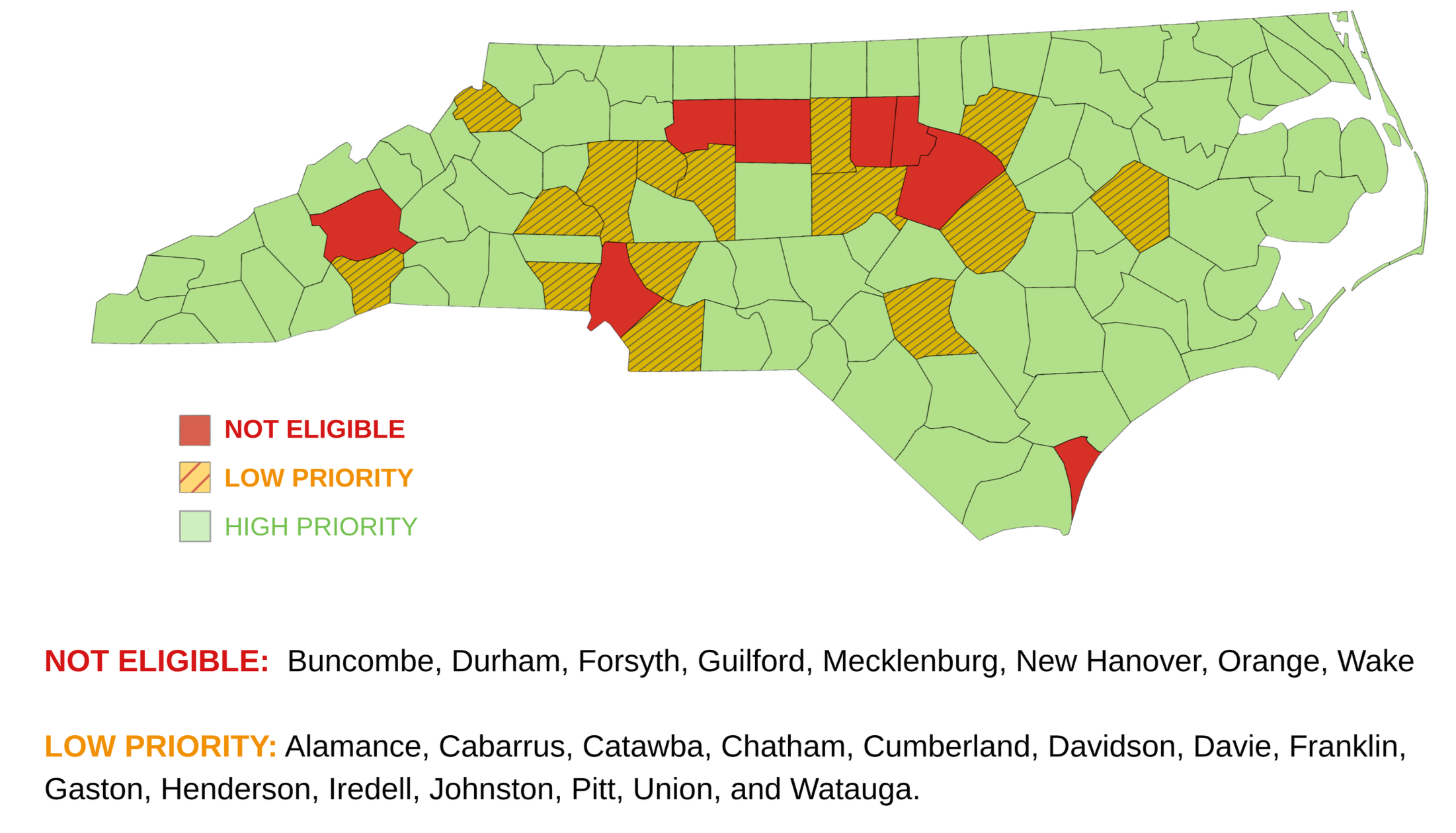
Ineligible Counties: We do not fund organizations in Buncombe, Durham, Forsyth, Guilford, Mecklenburg, New Hanover, Orange, and Wake counties.
Legal Status: We fund independent, locally-run organizations. You must be a 501(c)(3), a church, a small town, or a community organization with a fiscal agent.
Chapters & Affiliates: We do not fund local affiliates or chapters of national organizations that can draw on national fundraising infrastructure or staff (e.g. YMCA, Boys & Girls Club, United Way).
Budget Size: Your annual operating budget must be under $300,000 (or under $500,000 for churches).
Worried your organization is too small or lacks a track record with grants?
You are exactly who we want to hear from.
We intentionally fund deeply rooted, historically underserved rural groups.
Requests We Typically Don’t Fund
Even if your organization is eligible, some requests are a lower priority for us.
General Operating Expenses:
Funds must be directly tied to the proposed project. This can include a portion of overhead expenses (rent, utilities, salaries, etc.), but we do not fund standalone operating support.
Areas of Rapid Growth or Resource Access
As mentioned under the Eligibility Requirements, we do not fund in urban counties. Our priority is rural areas with the fewest resources. We will consider, but not prioritize, organizations in rapidly growing areas or those with greater resource access. This includes counties including: Alamance, Cabarrus, Catawba, Chatham, Cumberland, Davidson, Davie, Franklin, Gaston, Henderson, Iredell, Johnston, Pitt, Union, and Watauga.
Triple Bottom Line
Our core funding philosophy revolves around the Triple Bottom Line. Rather than treating community challenges as isolated issues, we prioritize projects that work at the intersection of three key areas: advancing social justice, protecting the environment, and building economic resilience.
Here are a few examples of what this work can look like in action:
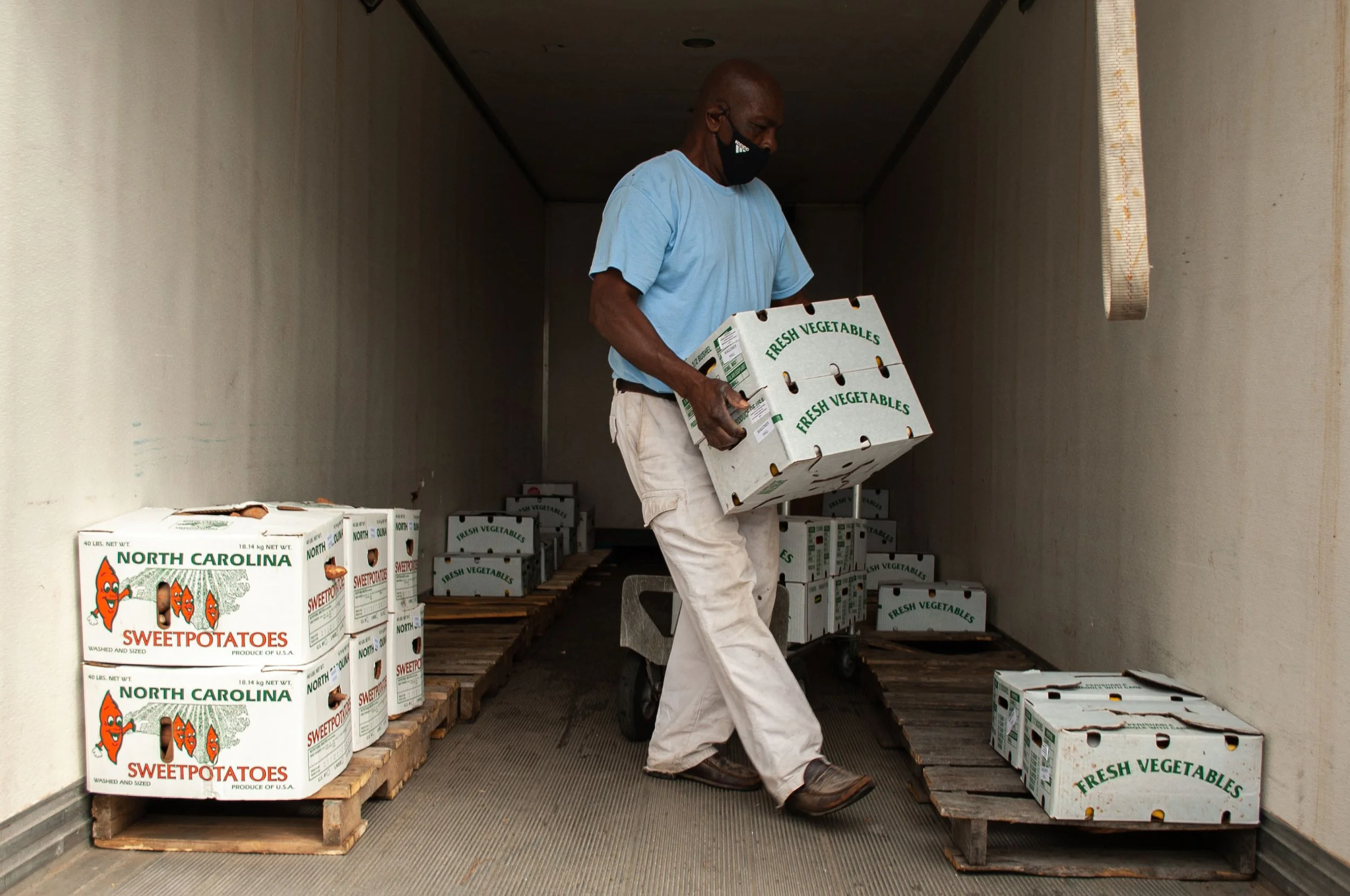
GROW THE LOCAL FARM ECONOMY AND FOOD ACCESS
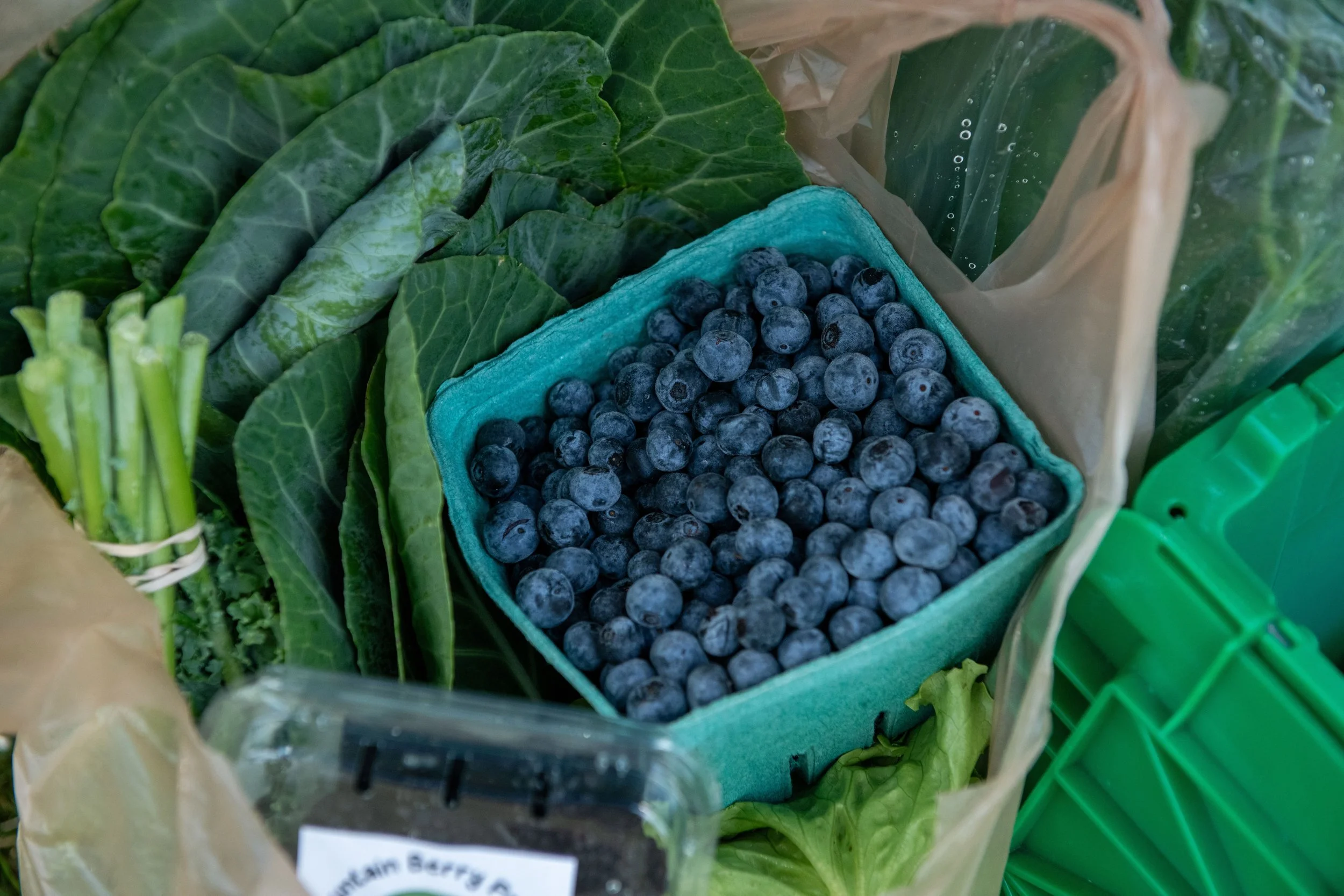
From buying produce and meat from nearby farms for choice pantries and community meals, to running produce- prescription and farmers-market voucher programs, to teaching neighbors to cook, grow, and preserve local food.
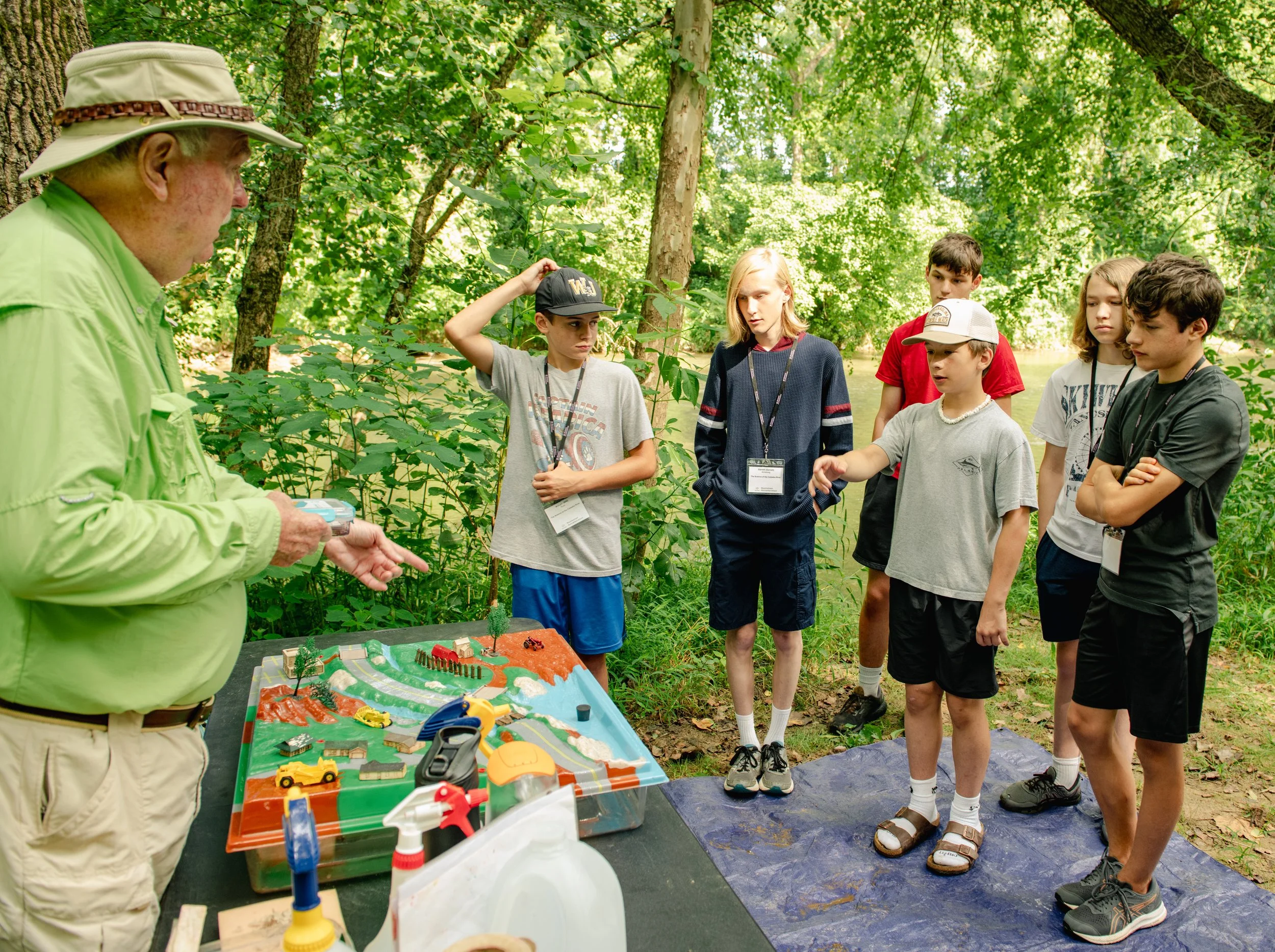
TURN NATURE INTO THE CLASSROOM
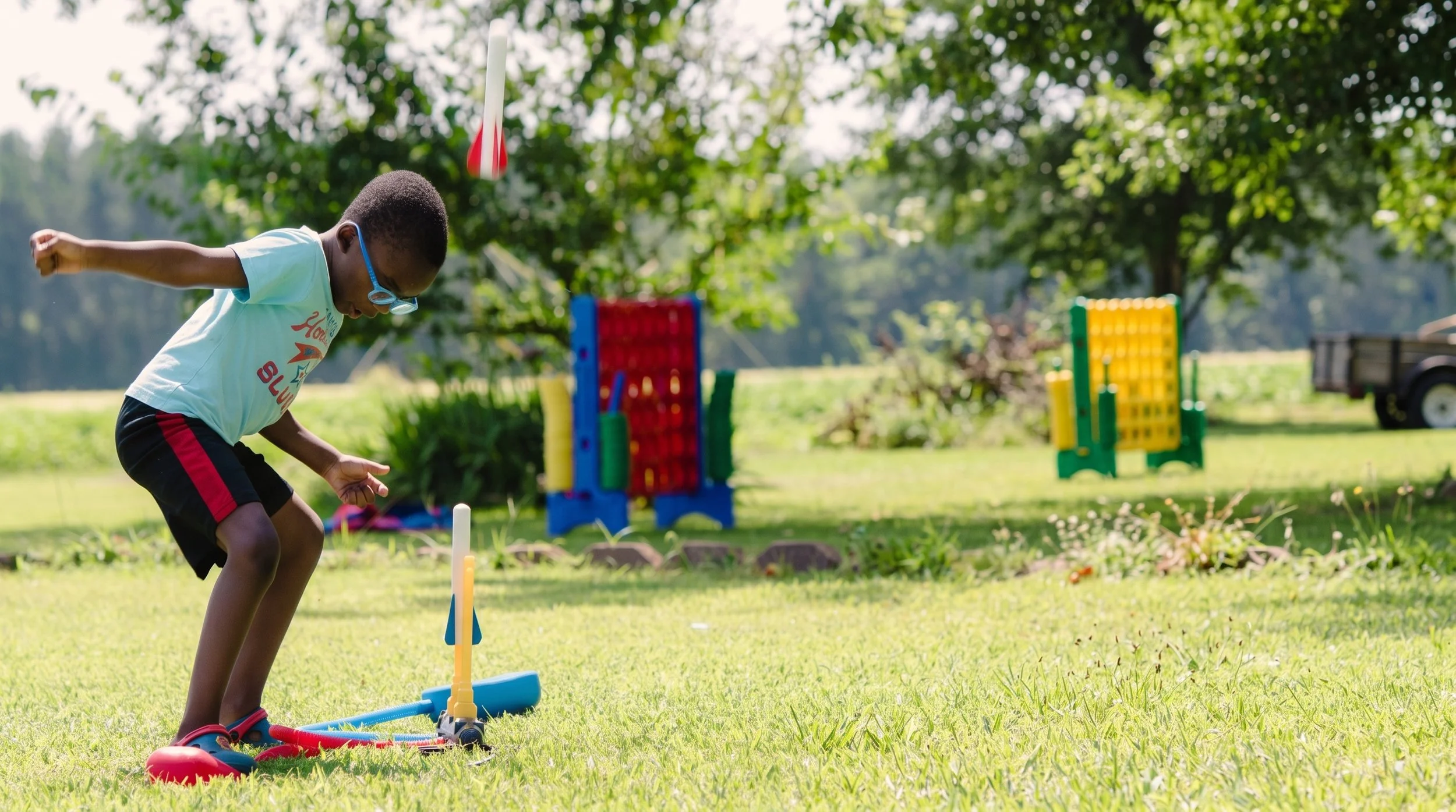
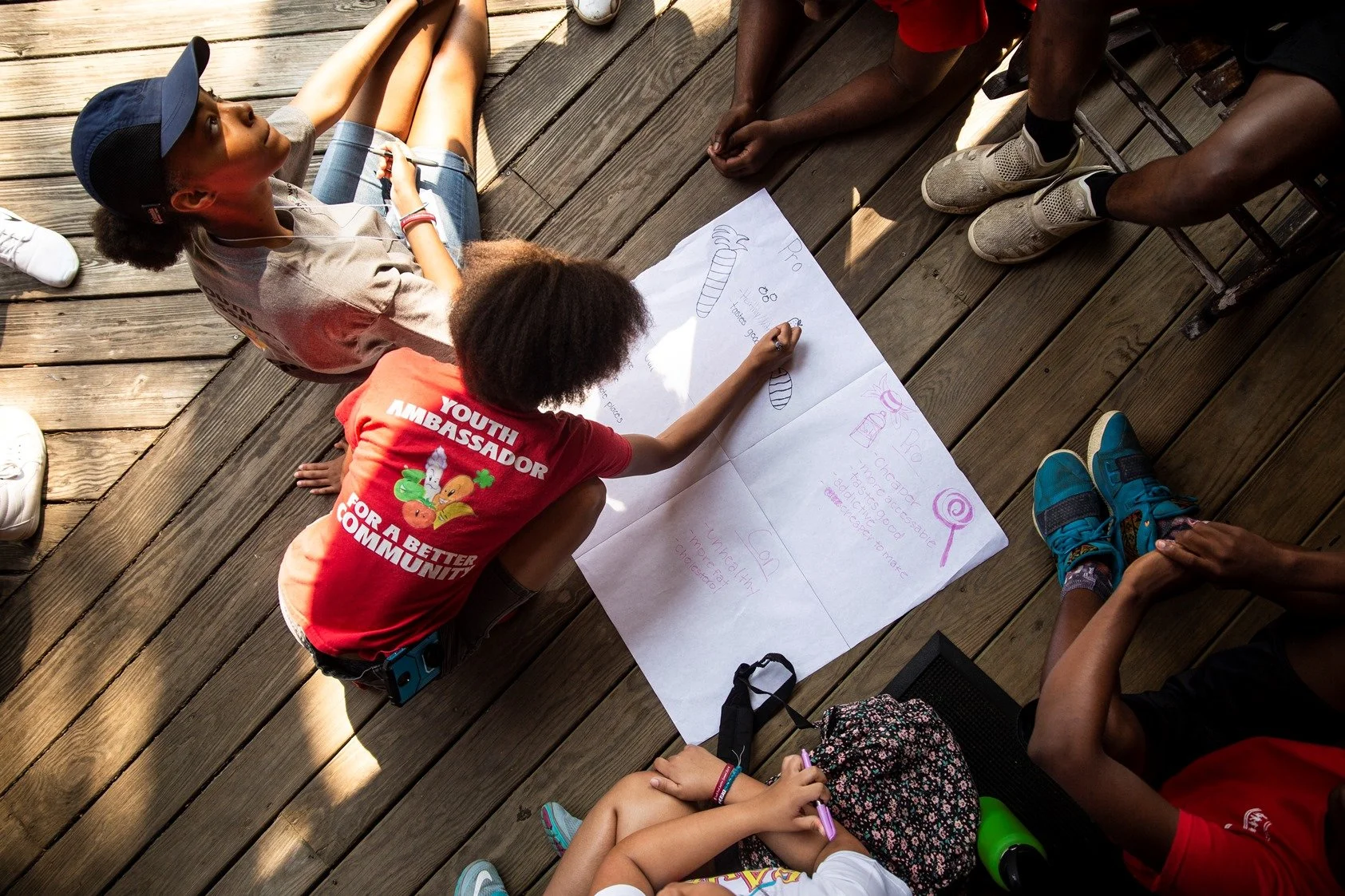
From teaching kids science through gardening, to exploring local waterways and backyard species, to connecting youth to conservation careers and outdoor places many have never had access to.
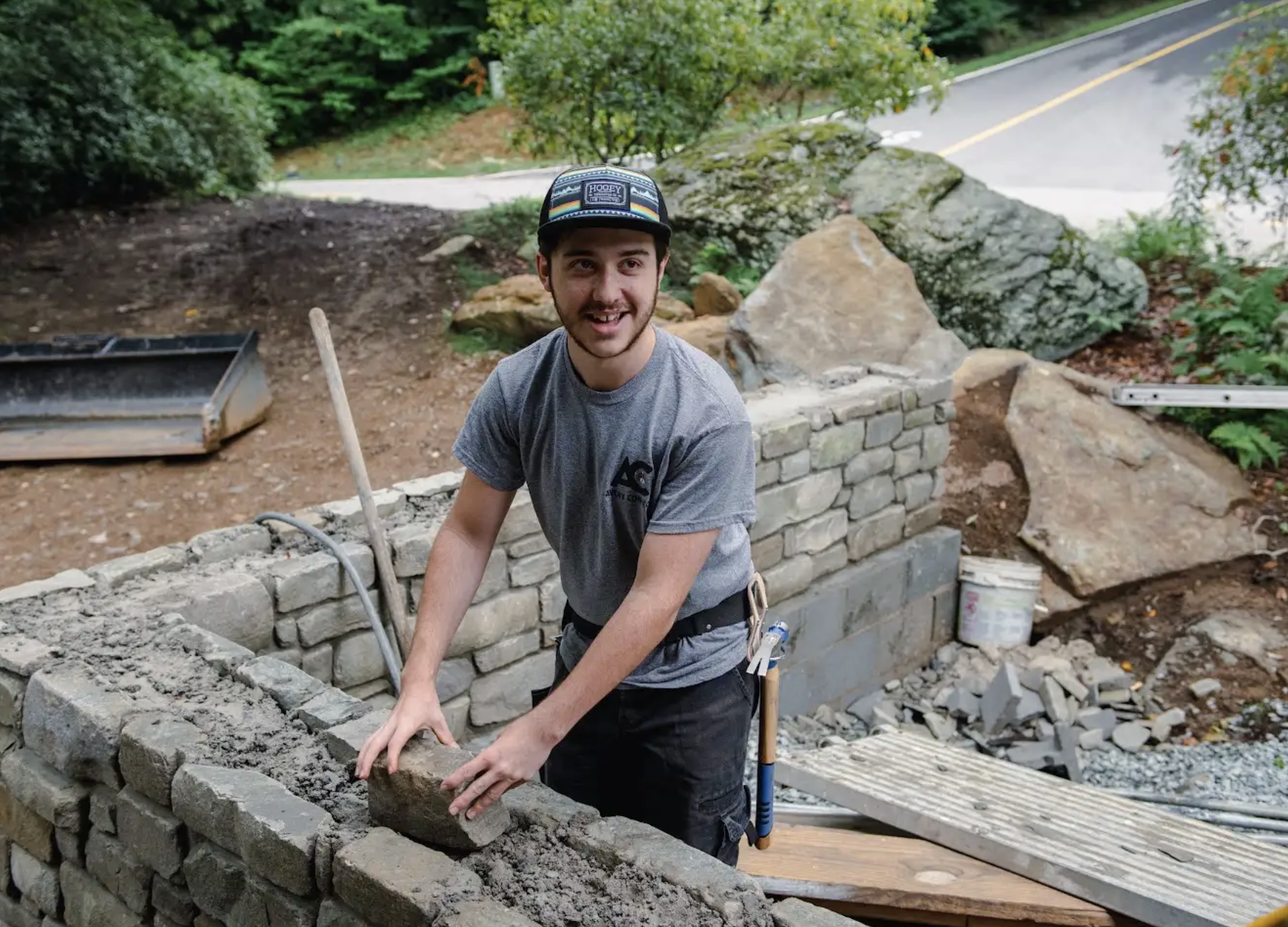
CREATE ECONOMIC PATHWAYS
From paid internships, mentorship, to leadership programs that build job skills and environmental stewardship in food systems, green trades, and community service.
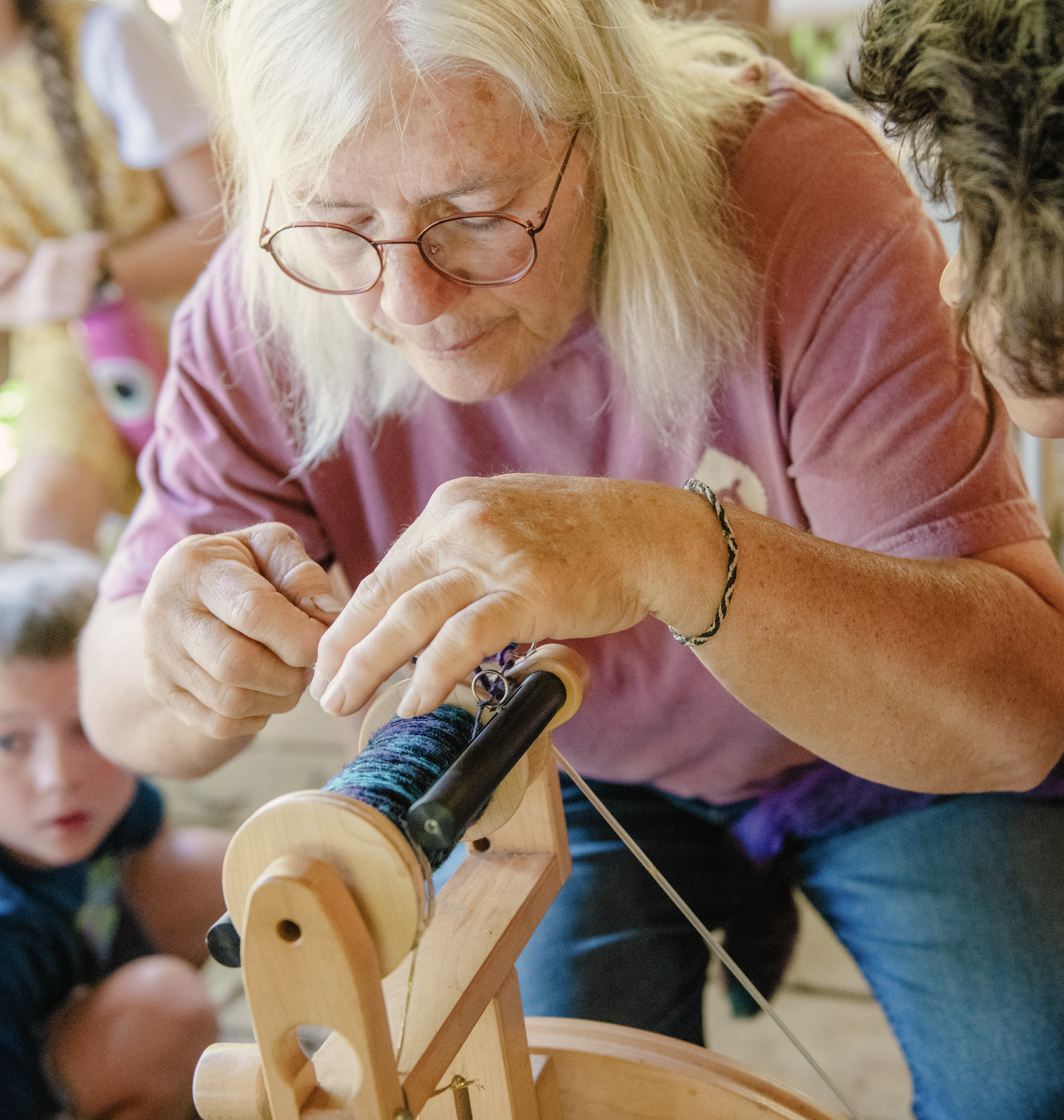
PROTECT LOCAL LAND, HISTORY, AND CULTURE
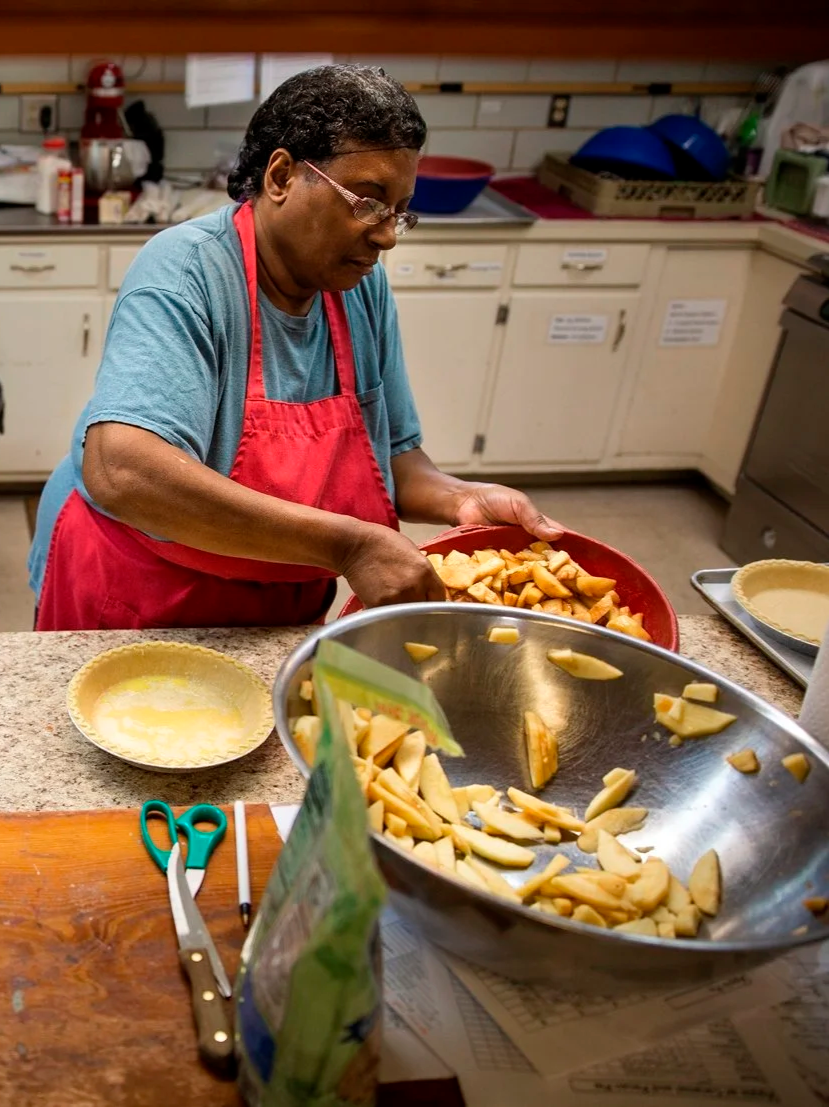
From preserving elders' stories, to documenting family and community heritage, to hosting events that build pride and economic opportunity.
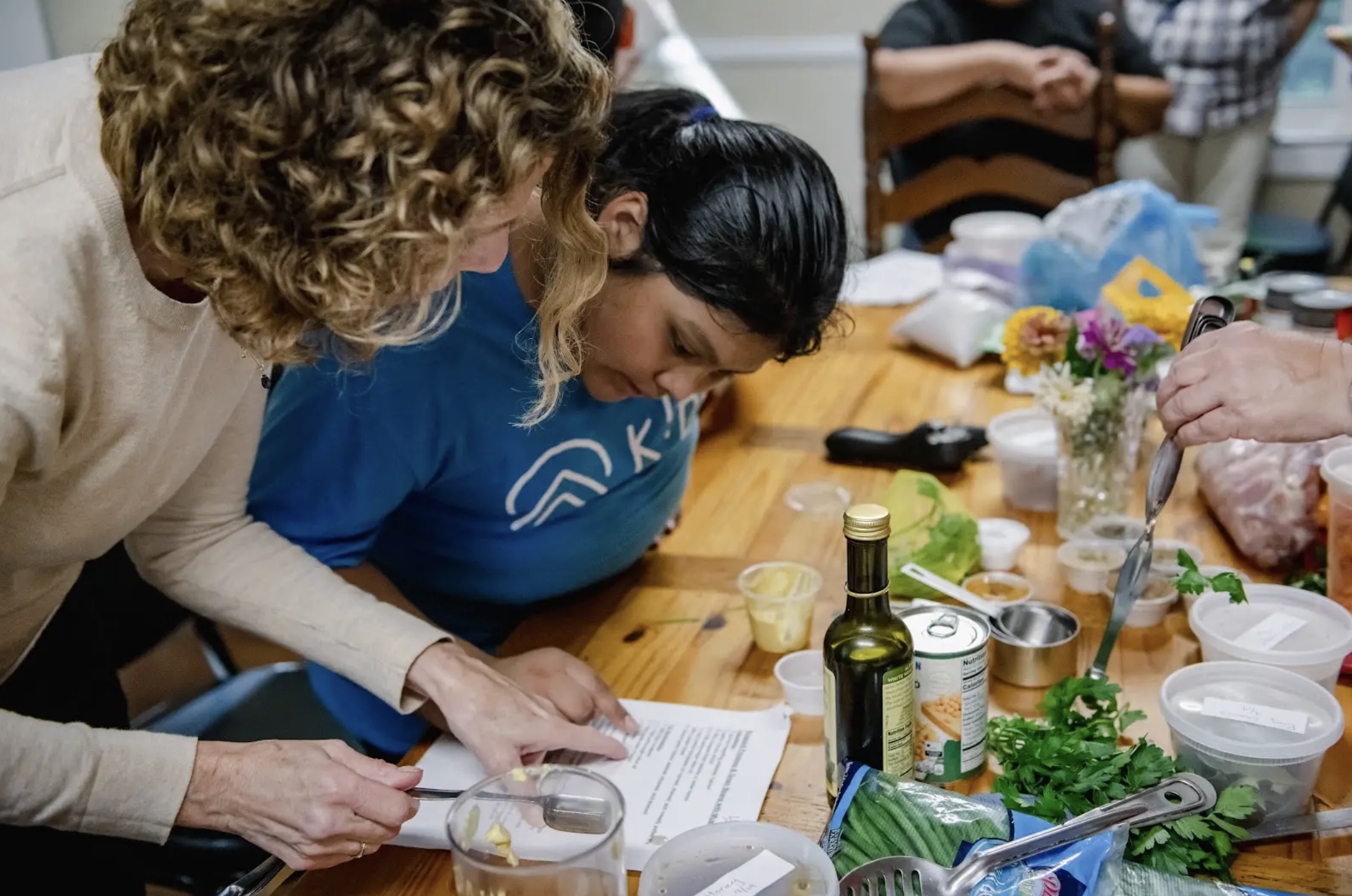
CREATE WELCOMING, INCLUSIVE SPACES
From multicultural gardens, to intergenerational meals to gatherings that bring neighbors together across generations and backgrounds to learn and lead healthy lives together.
For more details of what the triple bottom line is and how your project might fit in, check out this resource
Note: Many groups already do this without realizing it! Check out our 2026 Grantees List for a snapshot of the variety of projects we fund.
What Else We Look For in a Project
Beyond a great idea, we look for projects that have the strong foundation needed to succeed and grow. The most competitive applications show deep community roots, a readiness to launch, and a willingness to learn alongside out broader network.
-
We look for organizations that are deeply rooted and driven by local leadership with wide community support. In practice, that means asking the people most affected by a problem to help design the solution, hosting culturally appropriate programs, removing barriers to access, and prioritizing the dignity of the people you serve.
-
We look for a clear vision and community buy-in so grant funds can go to work right away. We love fresh ideas, and you don't need to have every single detail or partner locked in by the time you apply, but we do need to know this isn't a solo effort. A ready project lets you demonstrate success quickly, creating early momentum that we can help you translate into stronger applications and new resources down the road.
-
Get to know us, and let us get to know you. Our workshops are free, right-sized for rural low-budget organizations, and built around peer learning. Organizations that have joined us before consistently put together stronger projects, because they've picked up strategies from people doing the same work.
If you are still working to gather community feedback or get local partnerships that are critical for the project’s success onboard with the idea, this current grant cycle might not be the right fit. However, we still want to connect! Come to our free trainings, meet others doing similar work, and let's talk about supporting you in a future cycle.
For Current CNEF Grantees
2026 CNEF Grant Report Form
All 2026 CNEF grantees can submit their final grant reports using the following reporting form.
2026 Faith and Food Coalition Report Form
All 2026 Faith and Food Coalition grantees can submit their final grant reports using the following reporting form.
Contact us to learn more or email rcp-grants@legacyworksgroup.com with questions.
-

Monica McCann
-

Dave Walker
-
