A Milestone in Collaborative Stewardship: Santa Barbara Wildfire Resilience Collaborative Symposium
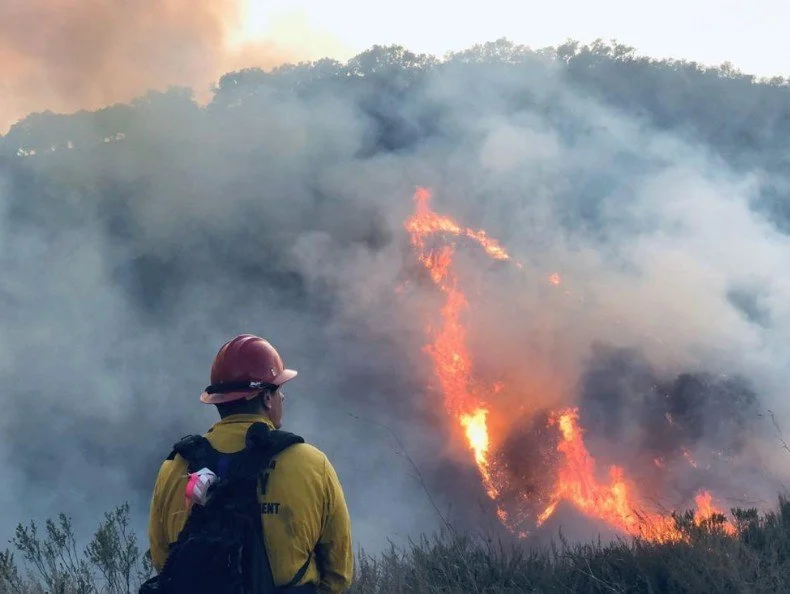
As we enter into fire season, the threat of wildfire is top of mind. This year, El Niño may be amplifying the risk due to excessively dry vegetation as we head into summer and fall. Against this backdrop of heightened awareness, on May 7th, LegacyWorks, alongside dozens of organizations, agencies, and researchers, gathered at UCSB for a Santa Barbara Wildfire Resilience Collaborative (WRC) symposium hosted by the Santa Barbara Firesafe Council. This event served as a shared space for alignment, bringing together practitioners, policymakers, community-based organizations, and researchers to reduce duplication and amplify our collective impact in the face of intensifying climate and wildfire risks.
This symposium represents a major milestone in a body of work LegacyWorks has proudly driven for the past seven years. In 2019, LegacyWorks partnered with the Cachuma Resource Conservation District (CRCD), the Community Environmental Council, Sharyn Main Consulting, and McGinnis Environmental to create the Regional Priority Plan (RPP). Capturing the distilled wisdom of dozens of local leaders, the RPP identified actionable priority projects designed to mitigate fire risk, build community capacity, and increase climate resilience.
To ensure these critical projects were actively implemented, our initial partnership evolved to form the Wildfire Resilience Collaborative (WRC), where we have been both implementing projects and building the capacity to advance this work. The WRC takes a cross-sector approach, recognizing that wildfire impacts everyone and requires a unified effort to address it. By working together rather than in silos, we maximize both our impact and every dollar spent on wildfire to contribute to a more resilient community. This symposium supported that evolution, creating a dedicated space to connect wildfire resilience groups across sectors and geographies.
The event started with a powerful keynote address from 3rd District Supervisor Joan Hartmann, who personally fled the Painted Cave fire, and set the stage for a day of highly interactive collaboration. Participants then rolled up their sleeves and dove into dynamic "Fire Circle" breakout sessions to tackle the region's most pressing challenges:
Defining Wildfire Resilience & Indicators: Stakeholders worked to establish a shared, practical definition of what it means to be "fire adapted" in Santa Barbara County. Groups identified key elements spanning the built environment, ecosystem health, and community capacity, and discussed measurable indicators to empirically track our regional progress.
Collaborative Communication: Participants brainstormed strategies to overcome public misconceptions and improve consistent messaging around complex topics like vegetation management, prescribed fire, and emergency response.
Prioritization in Practice: Critical discussions centered on how to equitably balance competing priorities with limited resources. A major focus was identifying data-informed approaches to ensure that vulnerable communities are not unintentionally left behind when allocating resources for wildfire mitigation.
This symposium represents another step towards transitioning Santa Barbara County from a reactive posture, where communities are vulnerable and fire is feared, to a proactive, fire-adapted community that understands and safely lives with fire. LegacyWorks’ ongoing work will heavily rely on continued collaboration among our partners to establish transparent prioritization frameworks and standardized indicators to measure our collective success.
Thank you to everyone who joined us to lay the groundwork for a safer and a more resilient, fire-adapted Santa Barbara County!