What Capacity Building Looks Like in Practice: Lessons from Lompoc
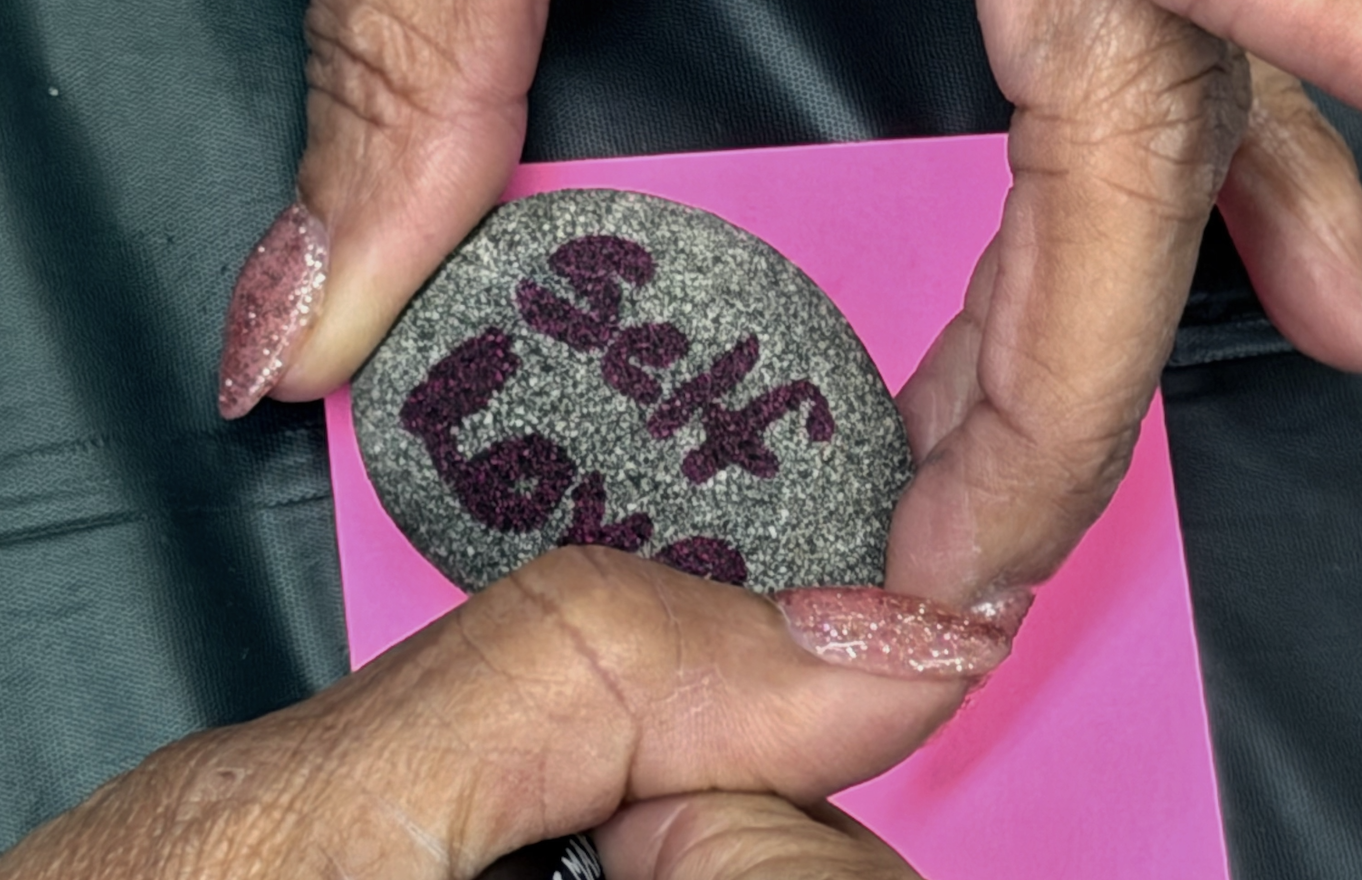
Self Healing Communities workshop activity in January
At LegacyWorks, capacity building is not a single strategy or initiative, it is how we accompany communities as they grow their own leadership, resilience, and power. Our partnerships in Lompoc, CA, offer a meaningful example of how this work unfolds at the organizational, individual, and community levels simultaneously.
LegacyWorks involvement in Lompoc began with an invitation. Ashley Costa of Lompoc Valley Community Healthcare Organization invited us into thought partnership and County Board Supervisor Joan Hartmann invited us into conversations with community leaders who were grappling with youth violence, intergenerational trauma, and the enduring impact of adverse childhood experiences (ACEs). These early meetings were grounded in deep listening. Rather than arriving with a predefined solution, we worked alongside local leaders to identify both urgent needs and emerging opportunities.
This exploratory phase was on the tail end of the COVID pandemic in 2022. Just prior to the pandemic, the Santa Barbara Bridges to Resilience Conference hosted Laura Porter, co-founder of the Self-Healing Communities model which built energy and momentum to implement this trauma and community healing model in Lompoc. However, the pandemic stalled progress. Given the challenges faced by Lompoc, applying the model resurfaced during our conversations as a way to address the youth violence challenges. The Self-Healing Communities framework offers a way to address ACEs by strengthening protective factors, building leadership, and cultivating healing practices across an entire community. Lompoc was ready.
Organizational Capacity Building
From there, a partnership took root with Collective Cultures Creating Change (C4), an all-volunteer, grassroots nonprofit organization deeply embedded in the community. Led by the visionary Yasmin Dawson, C4 was being called to do more and more in Lompoc in light of growing violence and increasing disparities. Capacity building at the organizational level meant helping C4 grow into a sustainable backbone for the work. Together, we secured small grants, formalized project administration, and hired a project manager. LegacyWorks stepped in as employer of record and provided fiscal sponsorship, coaching, and participation in a broader community of practice. Over time, as systems and leadership strengthen, responsibility is intentionally transitioning more fully to C4.
Individual and Community Capacity Building
The hiring of the C4 Project Manager, Ray Segovia, marked an important turning point for C4 and the project. Ray brings lived experience with adversity, having navigated a difficult childhood and years working in construction and electrical trades before stepping into community leadership. Through this role, he is not only building professional skills, he is also transforming his own story into a source of healing and connection. With mentorship and support, Ray is learning alongside the community he serves. Individual capacity building, whether for Ray, project leaders, or participants in our Community Leaders program, is about cultivating executive, emotional regulation, growth mindset, and relational leadership skills.
The project team itself reflects Lompoc’s diversity and complexity. Black, Native American, White, Hispanic, and biracial Black/Japanese leaders work together across differences in race, identity, and power. At times, the partnership has been a microcosm of broader community tensions, including navigating the dynamics between larger institutions like LegacyWorks and the County, and smaller grassroots organizations like C4. These challenges are not sidestepped; they are part of the learning. Building capacity also means building trust, transparency, and shared decision-making across lines of difference.
At the community level, healing is becoming visible and tangible. ACEs awareness is spreading, along with practical tools for stress regulation and resilience. Mini-grants have supported locally designed and led projects that strengthen connection and belonging: grandparents raising grandchildren have formed supportive networks; bilingual and bicultural mental health classes are increasing access; Voces que Sanan offers healing circles for Latinas; a Cultural Arts Center and project space is emerging; Circle of Caring delivers healthy, nourishing meals to unhoused neighbors; Healing Through Sound hosts gatherings and creates moments of restoration and collective calm.
None of these efforts stand alone. Together, they form a web of protective factors - relationships, skills, shared language, and spaces for belonging - that buffer adversity and create conditions for thriving.
Capacity building, as we practice it, is layered and relational. It means strengthening organizations like C4 to lead sustainably. It means investing in individuals whose growth becomes a catalyst for others. And it means supporting communities to design and implement their own healing strategies.
In Lompoc, we are witnessing what becomes possible when listening leads, when leadership is shared, and when healing is understood as both personal and collective work.